• Skip to main content

Allergy Partners

  • Find a New Location
  • Patient Portal
  • Bill Pay
  • Become an Allergy Partner
  • Site Search
  • Providers
  • Services
        • Treatment
          • Allergy Shots (Subcutaneous Immunotherapy, SCIT)
          • Biologics
          • Medications
          • Food Allergy Risk Reduction (FARR®)
          • Food Oral Immunotherapy (Food OIT)
          • Food Sublingual Immunotherapy (Food SLIT)
          • Environmental Sublingual Immunotherapy (Environmental SLIT)
        • Testing
          • Blood Testing
          • Food Allergy Testing
          • Patch Testing
          • Pulmonary Function Testing
          • Restech Testing
          • Skin Testing
  • Conditions
        • Food/ Gastrointestinal
          • Eosinophilic Esophagitis
          • Food Allergies
          • Laryngopharyngeal Reflux Disease
        • Lung
          • Asthma
          • Chronic Cough
        • Nasal, Sinus, Eye
          • Environmental Allergies
          • Eye Allergies (Allergic Conjunctivitis)
          • Nasal Polyps
          • Sinusitis
          • Vasomotor Rhinitis/ Chronic Rhinitis
        • Other Conditions
          • Anaphylaxis
          • Immune Deficiency
          • Medication Allergy
          • Recurrent Infections
          • Stinging Insect Allergy
          • Pediatric Allergies
        • Skin Allergies and Conditions
          • Angioedema
          • Contact Dermatitis
          • Eczema (Atopic Dermatitis)
          • Hives/Urticaria
          • Latex Allergy
          • Metal Allergy
  • About Us
        • About Us
        • Blog
        • Careers
        • Clinical Research
        • Pharmacy
        • What Is an Allergist?
        • In The News
  • Patient Resources
        • Pathway to Relief
        • Patient Portal
        • Bill Pay
        • Video Center
        • New Patient Forms & Resources
        • Request Medical Records
        • Patient Rights
        • Notice of Privacy Practices
        • The Itch Podcast
  • Find a Location

Search Results for:

Trick-or-Treating with Food Allergies: 6 Safe Halloween Tips for Kids

October 9, 2026 by

Trick-or-Treating with Food Allergies: 6 Safe Halloween Tips for Kids

by Dr. William McCann, CEO of Allergy Partners

October 9, 2026

Summary: This blog provides clear, parent‑friendly guidance to help families keep children with food allergies safe and confident during Halloween, balancing practical tips with reassuring advice. It summarizes how common food allergies are, identifies likely candy triggers, and highlights that about 1 in 13 children are affected. It offers 6 practical tips for a fun, safe Halloween and recommends Food Sublingual Immunotherapy (Food SLIT) as a long-term solution for managing food allergy symptoms year-round.

Halloween is supposed to be fun and just a bit scary. But for children with food allergies and their families, it can be just plain scary. Food allergy affects an estimated 33 million Americans, including 5.6 million children under the age of 18.1 The most common food allergens are milk, egg, wheat, soy, peanuts, tree nuts, sesame seed, fish, and shellfish. Outside of fish and shellfish, any of these triggers may be found in Halloween candy treats.

How Common are Food Allergies in Children?

Food allergies are one of the most common chronic conditions in childhood. With 1 in 13 children affected2, chances are good that your child has classmates, friends, or neighbors managing food allergies every day, not just on holidays like Halloween.

Common Halloween candy ingredients that may contain allergens include:

  • Milk and milk chocolate
  • Eggs and egg‑containing treats
  • Wheat in cookies, bars, and many candies
  • Soy as an additive or emulsifier
  • Peanuts and peanut butter candies
  • Tree nuts (such as almonds, walnuts, hazelnuts)

Because candy labels can be confusing, and fun-size versions may have different ingredients, it’s especially important to be cautious during trick-or-treat night.

Signs and Symptoms of Food Allergy Reactions in Kids

Food allergy reactions can range from mild to severe. Symptoms may show up quickly, often within minutes of eating or even tasting an unsafe food.

Possible symptoms of a food allergy reaction may include:

  • Rash or red, itchy skin
  • Hives
  • Vomiting
  • A stuffy, itchy nose or sneezing
  • Coughing, wheezing or shortness of breath
  • Diarrhea or stomach cramps

For children who are severely allergic, a single bite of these foods may cause a life-threatening reaction called anaphylaxis.

What Is Anaphylaxis and When Is It an Emergency?

Anaphylaxis is an allergic reaction that affects several parts of the body that starts very quickly and can be life-threatening. Signs of anaphylaxis include:

• Throat tightness, hoarseness, or trouble swallowing
• Trouble breathing, cough, wheezing, or chest tightness
• Feeling lightheaded, faint, or confused

Children may have difficulty explaining what they are experiencing. Instead of saying “I’m having trouble breathing,” they may say their chest hurts, or that they can’t walk or trick-or-treat anymore. Anaphylaxis can lead to shock and even death if not treated promptly.

When to Use Epinephrine and When to Call 911?

If any symptoms of anaphylaxis develop, injectable or intranasal Epinephrine should be given immediately and 911 called to activate EMS. Do not wait to see if symptoms improve on their own. Children with known severe food allergies should always have access to their epinephrine when trick-or-treating or attending Halloween parties.
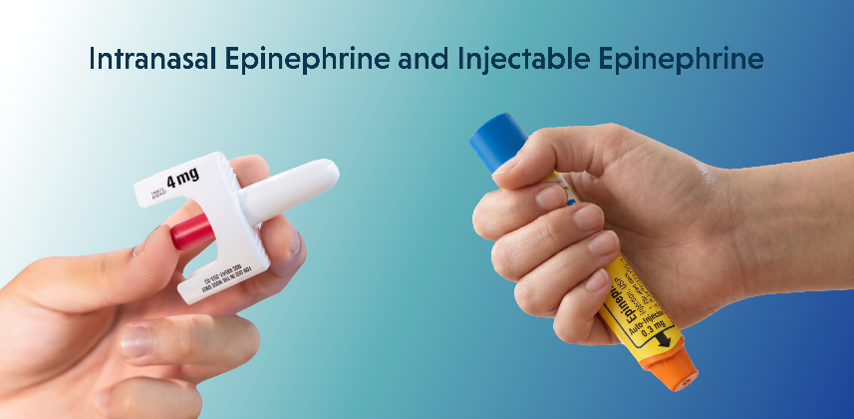
How Can Food Allergic Kids Have a Safe Halloween?

Kids with food allergies can enjoy Halloween safely by planning food‑free activities, carefully checking all candy before eating, carrying injectable or intranasal epinephrine, teaching them to decline unsafe treats, and choosing homes that offer non‑food treats, such as those participating in the FARE Teal Pumpkin Project®3.

Halloween Safety Checklist for Kids with Food Allergies: 6 Tips

Here are 6 practical tips to make celebrating Halloween fun and less scary:

  1. Plan food-free fun to celebrate Halloween!
    1. Consider building your celebrations around activities, not treats. Ideas include costume contests, pumpkin carving or decorating, spooky story time, or other Halloween-themed activities.
  2. Ensure children don’t trick-or-treat alone.
    1. Make sure allergic children are always trick‑or‑treating with an adult who understands their allergies and emergency plan. The supervising adult should know the child’s specific food triggers, recognize the signs of an allergic reaction, have immediate access to the child’s injectable or intranasal epinephrine, and be prepared to call 911 if a serious reaction occurs.
  3. Educate friends and family before the big night.
    1. Help friends, relatives, and caregivers understand your child’s food allergies and how to keep them safe. Before Halloween, share a list of your child’s food triggers, explain your child’s emergency action plan, review where the epinephrine is and how to use it, and ask party hosts to have non-food treats available.
  4. Have a candy check before anything is eaten.
    1. Make a rule that no candy is eaten until an adult has checked it. During your candy check, read labels carefully, look for known allergens, watch for “may contain” or “processed in a facility with” warnings, and consider swapping unsafe treats for a safe “Halloween treasure” box or other surprise at home.
  5. Teach kids to politely decline any homemade foods.
    1. Homemade treats like cookies, brownies, and candy apples can be risky because ingredients aren’t always obvious. Teach your child to politely decline these treats and avoid eating anything without a clear label. You can also plan to bring safe treats for your child to enjoy while trick-or-treating.
  6. Stick to your own community for trick-or-treating. You can also look for the FARE Teal Pumpkin® and non-food treats!
    1. The FARE Teal Pumpkin Project® helps make Halloween more inclusive and safe for children with food allergies. Homes with a teal pumpkin out front indicate they offer non‑food treats like stickers, glow sticks, and small toys. Encourage your child to look for teal pumpkins while trick-or-treating!

Beyond Halloween Night: Make A Plan with your Allergy Partners Allergist

While one night of preparation helps, long‑term planning is the best way to reduce anxiety year‑round. Food Sublingual immunotherapy (Food SLIT) offers a promising, long‑term approach to reduce allergic reactions to specific foods, helping families feel safer not just at Halloween but at every meal and celebration. Administered as small doses under the tongue and gradually increased under an allergist’s supervision, Food SLIT can build tolerance over time with a convenient, at‑home maintenance routine and generally mild side effects. It’s not an immediate cure, but for many patients it meaningfully lowers the risk of accidental reactions and gives families greater confidence during food‑centered events.
Keep Halloween Fun, and Not Too Scary

Being careful and being prepared are the keys to making Halloween fun and not so scary for kids with food allergies. If you’re concerned about your child’s food allergies, past reactions to Halloween treats, or how asthma might affect their safety, consider speaking with an Allergy Partners board-certified allergist about testing, an updated action plan, and emergency medications before the holiday.

Frequently Asked Questions: Halloween and Food Allergies

What Halloween candies are most risky for kids with food allergies?
Candies that contain milk, eggs, wheat, soy, peanuts, or tree nuts can be risky for kids with food allergies. Remember that the fun‑size versions can sometimes have different ingredients than the standard bars. Always read the label, even if your child has safely eaten the full‑size version before.

What should I do if my child has anaphylaxis while trick-or-treating?
If your child shows signs of anaphylaxis while trick‑or‑treating, give injectable or intranasal epinephrine right away and call 911 to activate EMS. Do not wait to see if symptoms improve on their own. Stay with your child until emergency help arrives.

What is the FARE Teal Pumpkin Project®?
The FARE Teal Pumpkin Project® is a national initiative that encourages families to offer non‑food treats for children with food allergies or other dietary restrictions. A teal pumpkin placed outside the home signals that safe, non‑food items are available. Please visit the FARE® website for more information.


Dr. William McCann is the CEO and former Chief Medical Officer of Allergy Partners, and a board-certified allergist in Western North Carolina. After his medical training at Duke University, he spent three years practicing general pediatrics before realizing his passion for treating allergies and asthma. He switched specialties to focus the next 24 years providing personalized care for children and adults with allergies, asthma, eczema, and chronic sinusitis. Dr. McCann was Chief Medical Officer from 2018 to 2025, when he became CEO in September of that year. Learn more about Dr. McCann


References:
1Food Allergy Research and Education (FARE)©. https://www.foodallergy.org/resources/facts-and-statistics
2Center for Disease Control. https://www.cdc.gov/school-health-conditions/food-allergies/index.html
3The Teal Pumpkin Project ® is a worldwide campaign that promotes safe and inclusive Halloween trick-or-treating for children with food allergies, celiac disease, and other medical conditions.

The Teal Pumpkin Project ®, is a registered trademark of Food Allergy Research & Education (FARE)®.

  • Providers
  • Services
  • Conditions
  • About Us
  • Careers
  • Find A Location
  • Patient Resources
  • Become an Allergy Partner
  • Blog
  • Allergy Partners Shop
Allergy Partners Home
  •  

© 2024 All Rights Reserved.

    • Notice of Privacy Practices
    • Patient Rights
    • Site Privacy Policy
    • Site Terms of Use
    • Site Accessibility
    • Site Search
    • Employee Healthcare Info
    • Site Map

Filed Under: Food Allergy

Jessica Wilson, DO

October 6, 2026 by

Home / Providers / Jessica Wilson, DO

Jessica Wilson, DO

Arriving November 2026!

Dr. Jessica Wilson is an Atlanta native and Allergy and Immunology physician dedicated to providing compassionate, practical care to children, adults, and families. She is proud to return to Georgia after completing residency and fellowship training outside the state, with
the goal of serving the community that helped shape her.

Dr. Wilson earned her undergraduate degree from Emory University, a Master of Public Health in Epidemiology from Georgia State University, and her medical degree from Philadelphia College of Osteopathic Medicine–Georgia in Suwanee. Before entering medical school, she pursued public-health training to better understand how access to care,
community conditions, and health systems affect health outcomes. That perspective continues to inform her approach to each patient: broader barriers to care can directly affect an individual’s ability to prevent illness, obtain medications, and manage chronic conditions successfully.

She completed combined Internal Medicine and Pediatrics residency because she believes that early education, healthy habits, and timely treatment can help patients build healthier lives from childhood through adulthood. During residency, she cared for both pediatric and
adult patients with severe, poorly controlled asthma, including patients requiring ICU-level care. Seeing how asthma and other allergic conditions could disrupt patients’ daily lives—and sometimes lead to preventable hospitalizations—sparked her interest in Allergy and Immunology.

As an allergist and immunologist, Dr. Wilson provides lifespan-focused care for asthma, environmental and food allergies, eczema, and immune disorders. She enjoys helping patients and families understand their diagnoses, recognize symptoms early, and develop realistic plans to prevent exacerbations and improve quality of life.

Dr. Wilson’s care philosophy is grounded in listening carefully to patients’ concerns, goals, and lived experiences. She develops individualized, comprehensive treatment plans that are understandable, achievable, and attentive to medication affordability, insurance coverage, and other practical barriers. She values clear communication, shared decision-making, and relationships built on trust. Her goal is for every patient to feel heard, supported, and empowered in managing their health.

Outside of medicine, Dr. Wilson enjoys international travel, attending concerts, reading science-fiction novels, spending time with her dog, and volunteering in her community. She believes that meaningful contribution can take many forms—through time, service, encouragement, and caring for one another.

Education

Medical School
  Philadelphia College of Osteopathic Medicine–Georgia in Suwanee

Internship
  Internal Medicine Medical City Arlington,TX and Internal Medicine- Pediatrics, LSU- Shreveport

Residency
  Internal Medicine- Pediatrics Residency, Louisiana State University Health Sciences- Shreveport, LA

Fellowship
  Adult and Pediatric Allergy and Immunology Fellowship, Case Western-University Hospitals, Cleveland, OH

College
Emory University
Master of Public Health in Epidemiology from Georgia State University

Board Certification
American Board of Allergy and Immunology

Professional Societies
American Academy of Allergy, Asthma & Immunology
American College of Allergy, Asthma and Immunology

Locations

Athens

330 Hawthorne Ln
Athens GA, 30606

(706) 613-8500

Get Directions

View Website

Watkinsville

1020 Twelve Oaks Place Ste A
Watkinsville GA, 30677

(706) 613-8500

Get Directions

View Website
  • Providers
  • Services
  • Conditions
  • About Us
  • Careers
  • Find A Location
  • Patient Resources
  • Become an Allergy Partner
  • Blog
  • Allergy Partners Shop
Allergy Partners Home
  •  

© 2024 All Rights Reserved.

    • Notice of Privacy Practices
    • Patient Rights
    • Site Privacy Policy
    • Site Terms of Use
    • Site Accessibility
    • Site Search
    • Employee Healthcare Info
    • Site Map

Providers Locations: 9287 – 1901

October 6, 2026 by Katie Brasington

Providers Locations: 9287 – 1900

October 6, 2026 by Katie Brasington

B. Devon Ball, MD

October 5, 2026 by

Home / Providers / B. Devon Ball, MD

B. Devon Ball, MD

Dr. Devon Ball is joining Allergy Partners of Charleston in November 2026 following his fellowship at Kaiser Permanente, Los Angeles Medical Center, receiving specialty training in pediatric and adult allergy, asthma, and immunology. He attended Sewanee for his undergraduate degree and received his medical degree from the Medical University of South Carolina. After completing his Pediatrics residency at the University of California, San Diego and Rady Children’s Hospital, he spent one year practicing general pediatrics in San Diego before his fellowship in Allergy & Immunology.

Dr. Ball is trained in all aspects of allergy, asthma, and immunology. During his medical training he gained particular interests in both asthma and food allergy, conducting research on standardizing asthma action plans in schools as well as the environmental impacts of food allergy development in infants. He is passionate about individualized medical care and building long-term relationships with patients.

Born and raised in Charleston, he is thrilled to return home to spend more time with his family, including working alongside his father (Dr. Ball, Sr). Outside of work, he enjoys spending time with his nieces and nephews, does his best not to get injured playing soccer, surfs when Folly Beach has waves, and is constantly on the hunt for the best food in the Lowcountry.

Education

Medical School
  Medical University of South Carolina

Internship
  University of California, San Diego - Pediatrics

Residency
  University of California, San Diego - Pediatrics

Fellowship
  Kaiser Permanente, Los Angeles Medical Center

College
Sewanee: The University of the South

Board Certification
American Board of Allergy and Immunology
American Board of Pediatrics
South Carolina State Medical License
National Board of Medical Examiners

Professional Societies
American Academy of Allergy, Asthma & Immunology
American College of Allergy, Asthma and Immunology
American Academy of Pediatrics
American Medical Association (AMA)

Locations

Mt. Pleasant

180 Wingo Way Suite. 102
Mt. Pleasant SC, 29464

(843) 881-2030

Get Directions

View Website

Summerville

102 Morgan Place
Summerville SC, 29485

(843) 832-9588

Get Directions

View Website

West Ashley

2090 Charlie Hall Blvd. Suite 301
West Ashley SC, 29414

843-556-9588

Get Directions

View Website
  • Providers
  • Services
  • Conditions
  • About Us
  • Careers
  • Find A Location
  • Patient Resources
  • Become an Allergy Partner
  • Blog
  • Allergy Partners Shop
Allergy Partners Home
  •  

© 2024 All Rights Reserved.

    • Notice of Privacy Practices
    • Patient Rights
    • Site Privacy Policy
    • Site Terms of Use
    • Site Accessibility
    • Site Search
    • Employee Healthcare Info
    • Site Map

Providers Locations: 9278 – 1869

October 5, 2026 by Katie Brasington

Providers Locations: 9278 – 1868

October 5, 2026 by Katie Brasington

Providers Locations: 9278 – 1867

October 5, 2026 by Katie Brasington

Providers Locations: 8896 – 1851

October 5, 2026 by Katie Brasington

Providers Locations: 9071 – 1969

October 5, 2026 by Katie Brasington

  • Page 1
  • Page 2
  • Page 3
  • Interim pages omitted …
  • Page 121
  • Go to Next Page »